
May
News
Diesel White Smoke at Cold Start – Possible ECU Calibration Factors
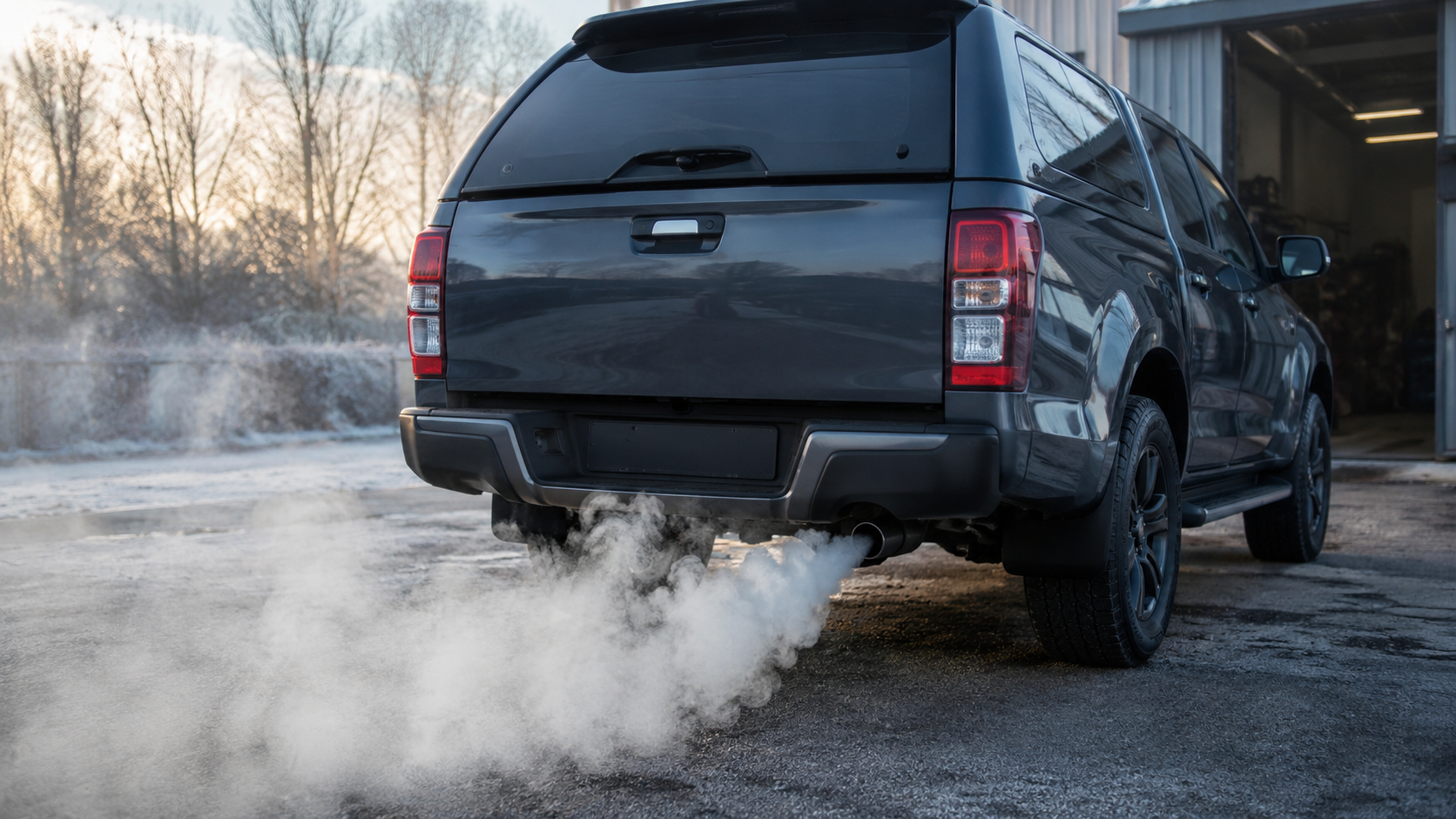
White smoke during diesel cold start is a common symptom that many vehicle owners, mechanics, and tuners may encounter. In some cases, a small amount of white smoke for a few seconds after starting a cold diesel engine can be normal, especially in low ambient temperatures. However, if the smoke is thick, persistent, accompanied by rough idle, hard starting, strong diesel smell, misfire, or poor engine response, it should be diagnosed carefully.
From an ECU calibration point of view, diesel white smoke at cold start can sometimes be related to fuel quantity, injection timing, rail pressure, pilot injection, glow plug strategy, or temperature-based correction maps. However, it is very important to understand one key point:
Diesel white smoke at cold start is not always a tuning problem.
Before modifying any ECU file, the mechanical condition of the engine and related systems must be checked first.
What Does White Smoke Mean on a Diesel Engine?
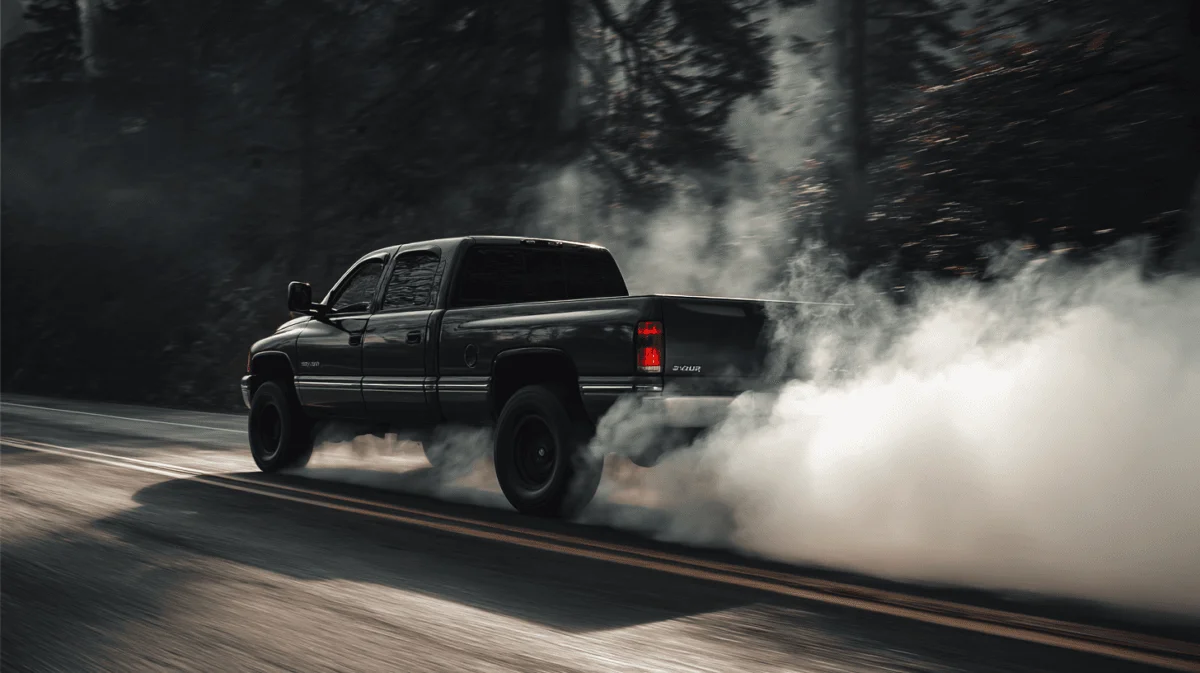
White smoke from a diesel engine usually indicates one of the following conditions:
- Water vapor or condensation
- Unburned diesel fuel
- Coolant entering the combustion chamber
If the smoke appears only for a very short time after cold start and disappears when the engine warms up, it may simply be condensation in the exhaust system. This is more common in cold or humid weather.
If the white smoke has a strong diesel fuel smell, it usually indicates that fuel is being injected but not burned completely. This may be caused by poor combustion during cold start.
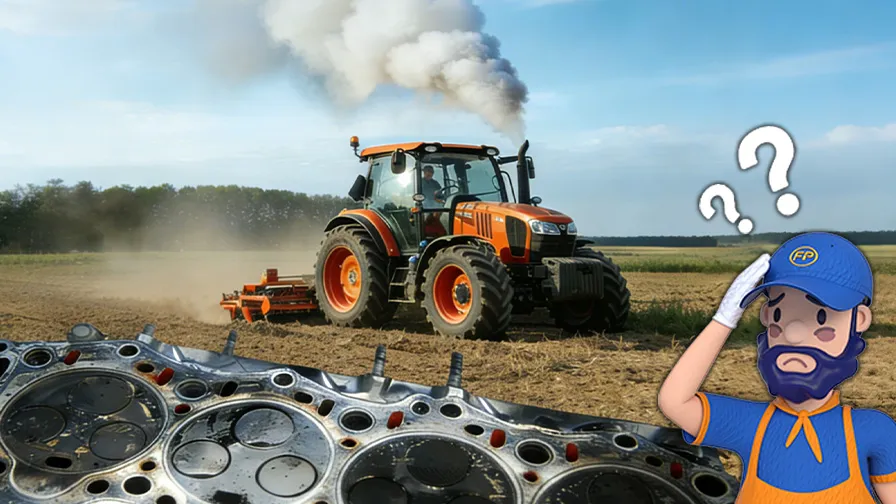
If the smoke is thick, persistent, and the coolant level drops, the issue may be related to coolant entering the combustion chamber, possibly from a head gasket, cylinder head, or EGR cooler problem.
Common Mechanical Causes of Diesel White Smoke at Cold Start
Before looking at ECU calibration, it is important to inspect the mechanical and electrical systems first. A tuning file cannot fix a real mechanical fault.
1. Glow Plug or Glow Relay Problems
Diesel engines require high temperature to ignite the fuel properly. During cold start, glow plugs help increase the temperature inside the combustion chamber. If one or more glow plugs are weak or not working, the engine may suffer from:
- Hard starting
- Rough idle after start
- White smoke
- Strong diesel smell
- Misfire during the first seconds after starting
Even if the ECU file is correct, a faulty glow plug system can still cause white smoke.
2. Injector Leakage or Poor Spray Pattern
Injectors are critical for proper fuel atomization. If an injector leaks, drips, or has a poor spray pattern, the fuel may not burn completely. Possible symptoms include:
- White smoke at cold start
- Rough idle
- Diesel knocking
- Increased fuel consumption
- Unstable combustion
- Smoke that reduces when the engine becomes warm
In this case, changing ECU calibration without checking injectors may only hide the real problem.
3. Low Compression
Diesel combustion depends heavily on compression pressure. If compression is low, the air temperature at the end of the compression stroke may not be high enough to ignite the injected fuel properly. Low compression can cause:
- Difficult cold start
- White smoke
- Rough running
- Poor low-end power
- Misfire when cold
Low compression can be caused by worn piston rings, valve leakage, cylinder wear, or other internal engine problems.
4. Low Rail Pressure During Cranking
Modern common rail diesel engines require sufficient rail pressure before stable injection can occur. If rail pressure builds too slowly during cranking, combustion may be unstable. Possible causes include:
- Weak high-pressure pump
- Injector return leakage
- Fuel filter restriction
- Air in the fuel system
- Faulty rail pressure sensor
- Weak battery or slow starter speed
If the engine speed during cranking is too low, the ECU may also struggle to build enough rail pressure quickly.
5. Coolant Entering the Combustion Chamber
If the white smoke continues after warm-up and coolant level is decreasing, this may be a serious mechanical issue.
Possible causes include:
- Head gasket failure
- Cracked cylinder head
- EGR cooler leakage
- Coolant entering the intake or combustion chamber
This type of white smoke is not an ECU tuning problem. The mechanical issue must be repaired first.
ECU Calibration Factors That May Affect Cold Start White Smoke
After confirming that the engine, injectors, glow plug system, compression, fuel system, and sensors are in good condition, ECU calibration can be analyzed. Below are some calibration areas that may influence diesel cold start
smoke.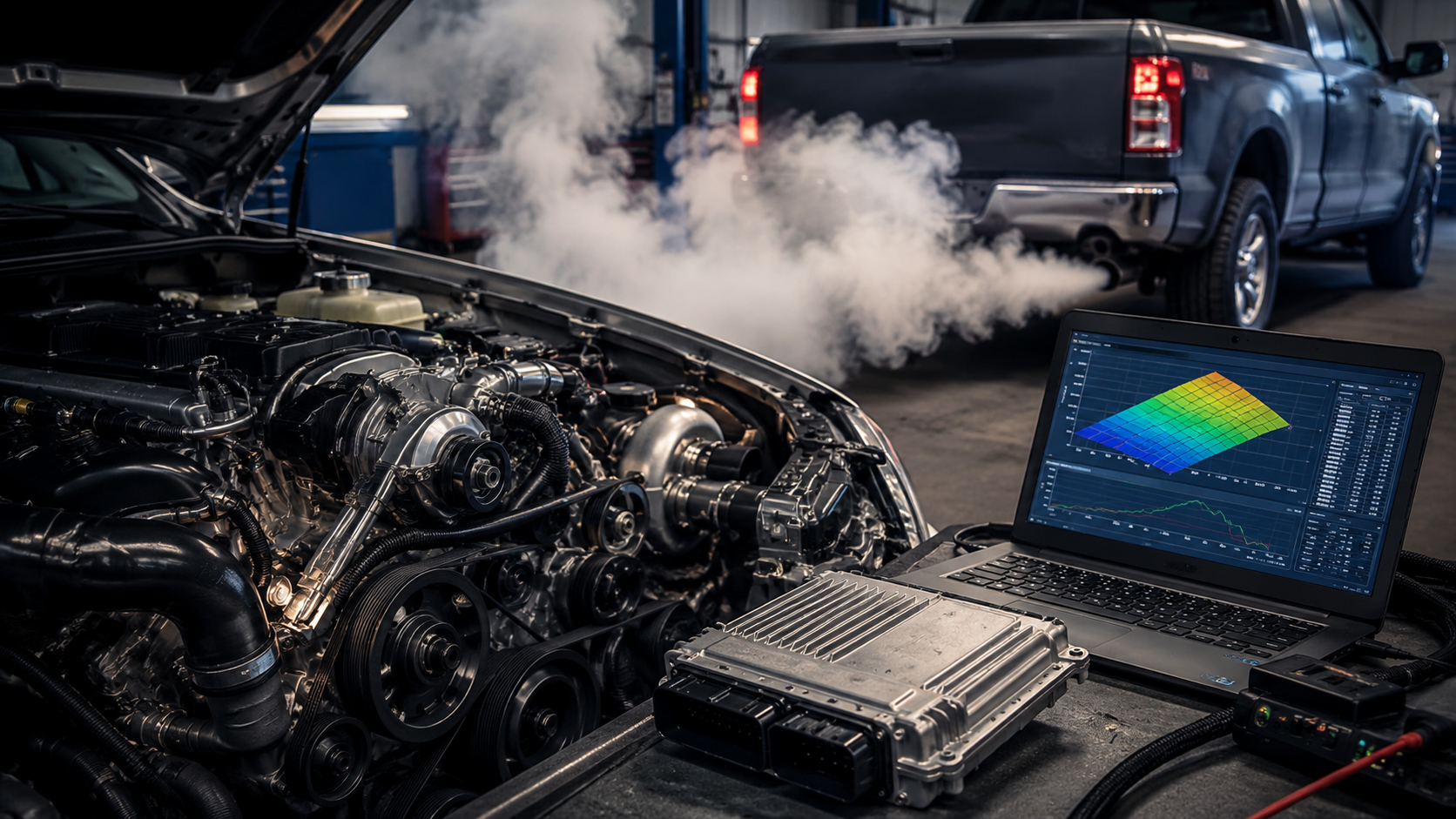
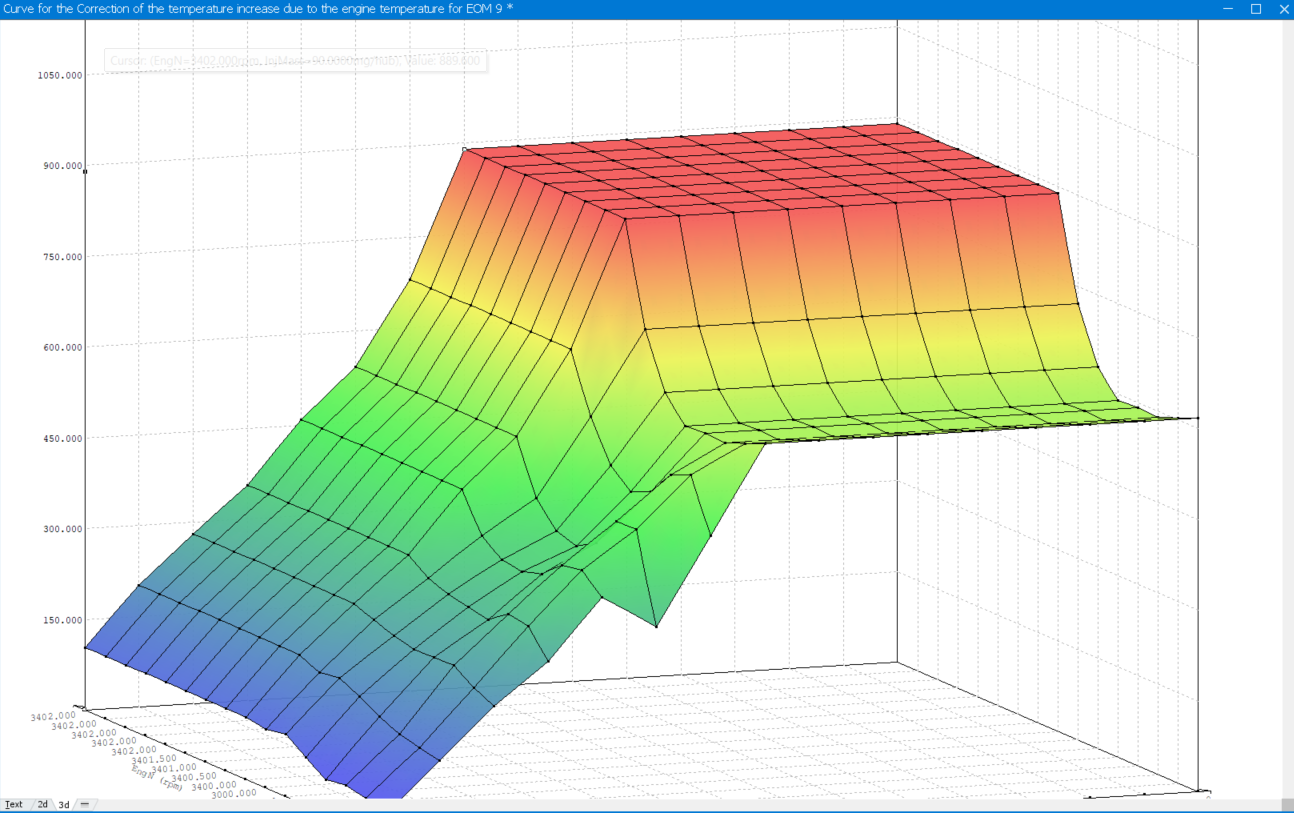
1. Coolant Temperature Based Correction Maps
Coolant temperature is one of the most important inputs during cold start. The ECU uses engine coolant temperature to determine how much correction is needed when the engine is cold. Depending on the ECU strategy, coolant temperature may influence:
- Start fuel quantity
- Idle fuel correction
- Injection timing correction
- Rail pressure target
- Glow plug pre-heating
- Glow plug post-heating
- Idle speed target
- Smoke limitation
- Torque limitation during warm-up
If the coolant temperature sensor reads incorrectly, the ECU may apply the wrong cold start strategy. For example:
- If the engine is cold but the ECU thinks it is already warm, it may not apply enough cold start correction.
- If the engine is warm but the ECU thinks it is still cold, it may inject too much fuel or apply unnecessary correction.
In WinOLS or ECU map projects, related map names may appear as:
- Coolant temperature correction
- Engine temperature correction
- Start quantity correction by coolant temperature
- Idle speed correction by coolant temperature
- Injection timing correction by coolant temperature
- Rail pressure correction during start
- Warm-up correction map
These maps should not be modified randomly. They must be analyzed together with the ECU logic and real diagnostic data.
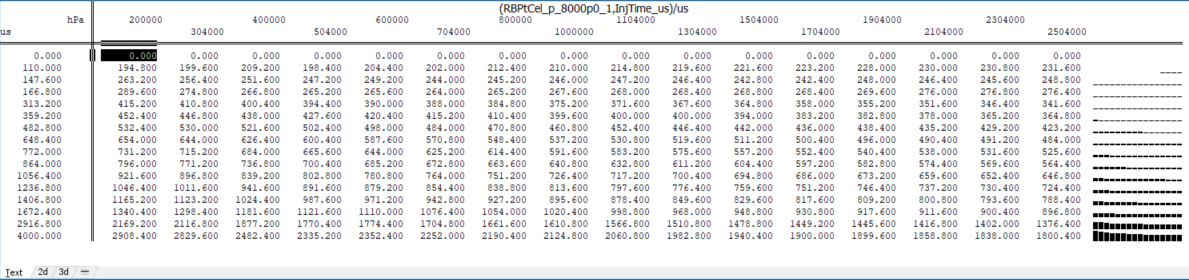
2. Start Injection Quantity / Cranking Fuel Quantity
During engine start, the ECU calculates the amount of fuel required to start combustion. This is often called start quantity, cranking fuel quantity, or fuel quantity during start. If the start fuel quantity is too low, the engine may crank for a long time or fail to start smoothly.
If the start fuel quantity is too high, the injected fuel may not burn completely, especially when combustion temperature is still low. This can create white smoke and a strong diesel smell. Possible related map names include:
- Start quantity
- Cranking injection quantity
- Fuel quantity during start
- Start fuel correction
- Injection quantity at engine start
- Minimum fuel quantity during start
- Start fuel by coolant temperature
- Start fuel by engine speed
Cold start fueling must be balanced carefully. More fuel does not always mean better starting. Excessive fuel during cold start can increase smoke, rough idle, and unburned hydrocarbons.
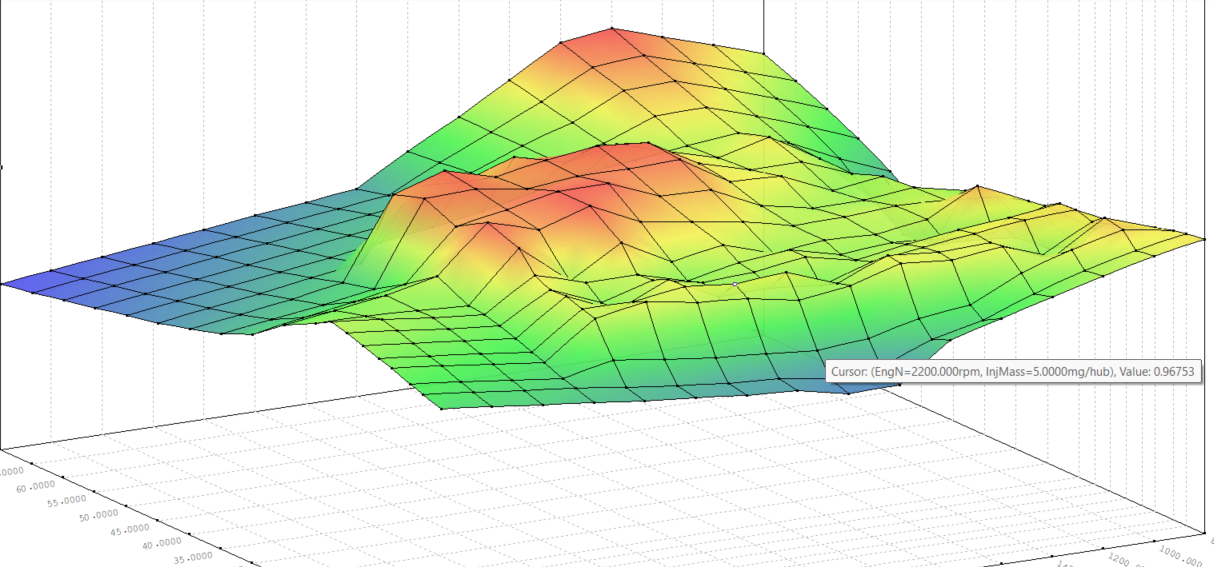
3. Start of Injection / Injection Timing During Cold Start
Injection timing is one of the most important factors for diesel combustion quality. If injection timing is too late during cold start, the fuel may not have enough time to burn completely. This can cause:
- White smoke
- Rough idle
- Hard starting
- Diesel fuel smell
- Unstable combustion
- Poor response immediately after start
If injection timing is too advanced, it may cause:
- Diesel knocking
- Harsh combustion noise
- Increased mechanical stress
- Higher cylinder pressure
Possible related map names include:
- Start of injection
- SOI correction by coolant temperature
- Injection timing during start
- Main injection timing
- Pilot injection timing
- Cold start timing correction
- Combustion phasing correction
- Start of injection during warm-up
In many diesel ECUs, injection timing is adjusted based on coolant temperature, engine speed, injected quantity, air temperature, and operating mode. Therefore, timing maps should always be analyzed together with the full ECU strategy.
4. Pilot Injection and Pre-Injection Strategy
Pilot injection is used to improve combustion stability, reduce noise, and make diesel operation smoother, especially during idle and cold conditions.
During cold start, pilot injection can help prepare the combustion chamber before the main injection event. If pilot injection is not correctly calibrated, disabled, too small, or poorly timed, the engine may experience rough combustion. Possible symptoms include:
- Rough idle after cold start
- White smoke during the first seconds
- Diesel knocking
- Unstable engine speed
- Poor combustion quality
Possible related map names include:
- Pilot injection quantity
- Pilot injection timing
- Pre-injection quantity
- Pre-injection timing
- Number of injections
- Injection pattern by temperature
- Injection mode during start
- Warm-up injection strategy
Pilot injection must be adjusted with caution. It is closely connected to injection timing, fuel quantity, rail pressure, engine noise, emissions, and combustion stability.
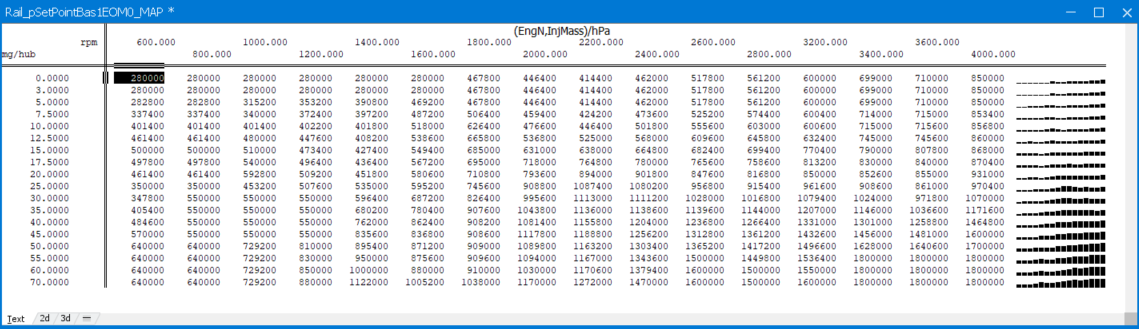
5. Rail Pressure During Cranking and Warm-Up
Rail pressure affects fuel atomization. If rail pressure is too low during cranking or cold idle, the fuel spray quality may be poor, leading to incomplete combustion. This may contribute to:
- White smoke
- Rough idle
- Hard starting
- Slow combustion
- Poor engine response after start
Possible related map names include:
- Rail pressure during start
- Rail pressure target at idle
- Rail pressure correction by coolant temperature
- Minimum rail pressure for injection
- Rail pressure setpoint during warm-up
- Rail pressure target by engine speed and fuel quantity
However, increasing rail pressure is not always the correct solution. Excessive rail pressure can increase stress on the high-pressure pump, injectors, rail, and fuel system. It can also change combustion noise and injection behavior.
Rail pressure should always be checked against real diagnostic logs before making any calibration decision.
6. Warm-Up Idle Speed Target
Some diesel engines use a higher idle speed when cold to stabilize combustion and help the engine warm up faster.
If the idle speed target is too low during cold start, the engine may run roughly and combustion may become unstable. In some cases, this may increase visible smoke during the first moments after starting.
Possible related map names include:
- Idle speed target
- Idle speed by coolant temperature
- Warm-up idle speed
- Engine speed target after start
- Idle correction during cold start
Increasing idle speed may help in some cases, but it should not be used to hide injector, compression, glow plug, or fuel pressure problems.
7. Glow Plug Pre-Heating and Post-Heating Strategy
On many modern diesel engines, glow plugs are not only used before starting. The ECU may continue to control glow plugs after the engine starts. This is often called post-heating or after-glow. Post-heating can help:
- Improve cold combustion
- Reduce white smoke
- Reduce rough idle
- Improve emissions during warm-up
- Stabilize combustion after start
Possible related calibration areas include:
- Glow plug pre-heating time
- Glow plug post-heating time
- Glow plug activation temperature
- Glow duration by coolant temperature
- Glow plug duty cycle
- After-glow control
- Glow plug strategy during warm-up
However, if the glow plugs, relay, wiring, or control module are faulty, calibration changes will not solve the problem.
Recommended Diagnostic Information Before ECU File Analysis
Before requesting an ECU file solution, it is useful to prepare the following information:
- Vehicle model and year
- Engine type
- ECU type and ECU part number
- Original ECU file
- Tool used to read the file
- Diagnostic trouble codes
- Live data during cold start
- Coolant temperature reading before start
- Rail pressure during cranking
- Engine speed during cranking
- Injector correction values
- Glow plug status
- Description of the smoke condition
- Video of the cold start if possible
This information helps the file engineer understand whether the issue is likely related to calibration, hardware, or both.
When Can ECU Calibration Help?
ECU calibration may be worth analyzing when:
- The engine has no mechanical fault
- Glow plugs and injectors are working correctly
- Compression is good
- Rail pressure is stable
- Sensors are reading correctly
- The smoke appears mainly during cold start or warm-up
- The issue started after a previous tuning file
- The original file behaves differently from the modified file
- The calibration contains incorrect cold start corrections
In these cases, the following areas may be reviewed:
- Start fuel quantity
- Injection timing during start
- Pilot injection strategy
- Rail pressure target during cranking
- Warm-up idle speed
- Coolant temperature correction
- Glow plug post-heating strategy
- Smoke limitation during warm-up
Conclusion
Diesel white smoke at cold start can be caused by many different factors. It may be a normal short-term condensation effect, or it may be a sign of incomplete combustion, injector problems, glow plug failure, low compression, coolant leakage, or incorrect ECU calibration.
From a tuning perspective, possible ECU calibration factors include:
- Start fuel quantity
- Start of injection
- Pilot injection
- Rail pressure during start
- Coolant temperature correction
- Warm-up idle speed
- Glow plug pre-heating and post-heating strategy
However, ECU calibration should only be considered after proper mechanical diagnosis. A professional approach is to inspect the engine condition first, check diagnostic data, compare original and modified ECU files, and then decide whether calibration changes are necessary.
At OLSecufile.com, we provide professional ECU file services, including Original Files, DAMOS/A2L Files, Mappacks, Super Mappacks, and custom tuning file support.
If you are working on a diesel cold start white smoke issue, please send us the original ECU file, vehicle information, ECU details, diagnostic trouble codes, and a clear description of the symptom before requesting a file solution.
Website: https://olsecufile.com
Telegram: @OLSecufile
Email: olsecufile@gmail.com
WeChat: olsecufile_1

